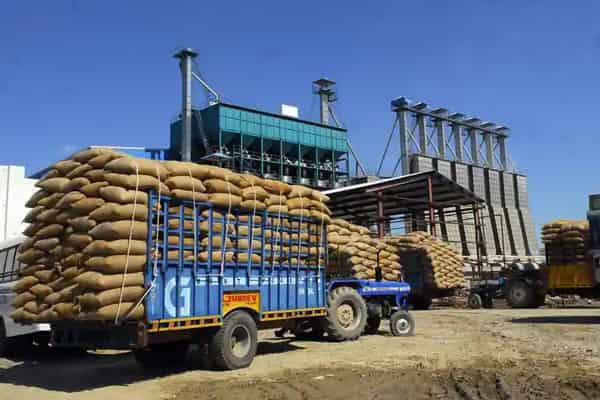

Agriculture is more than a livelihood—it is the backbone of rural communities and the foundation of food security around the world. When farmers thrive, societies flourish. When they struggle, entire communities feel the impact. The philosophy of empowering farmers and enriching communities is not just a slogan; it is a commitment to building a future where rural progress, economic stability, and environmental responsibility walk hand in hand.
True empowerment begins by equipping farmers with access to the essentials that shape their productivity—quality seeds, reliable tools, innovative technologies, and accurate market information. Modern agriculture has evolved rapidly, and small-scale farmers often face the challenge of keeping up.
Training and skill development play a crucial role. When farmers learn improved cultivation techniques, adopt sustainable practices, and gain knowledge about weather patterns or soil conditions, they are better positioned to increase yields and reduce risks. Access to timely updates and scientific insights ensures they can make informed decisions that safeguard both crops and income.
For many rural families, the real struggle begins after the harvest. Limited market connections, fluctuating prices, and the involvement of multiple intermediaries often result in farmers receiving only a fraction of the true value of their produce.
Empowering farmers means providing them with direct market opportunities—whether through cooperatives, digital platforms, or community-led marketing systems. Fair pricing, transparent transactions, and reduced exploitation allow farmers to earn what they rightfully deserve. When farmers receive better income, they invest more in their land, homes, and families, uplifting the entire community.
Environmental sustainability is a vital part of farmer empowerment. Techniques such as organic farming, water conservation, crop rotation, and integrated pest management not only improve soil health but also ensure long-term profitability.
Supporting farmers in adopting eco-friendly methods protects the ecosystem, preserves natural resources, and strengthens resilience against climate change. When farms prosper sustainably, future generations inherit fertile land and thriving communities.

 Call :
 Email :