Agriculture products export from India supplies food businesses in over a hundred countries with spices, rice, coconut products, fresh vegetables and much more. For importers, wholesalers and retailers, India offers a rare mix of variety, value and reliability. If you are comparing sourcing countries, this guide explains the real advantages and how to capture them.
Quick Answer
The main benefits of importing agricultural products from India are competitive pricing, a wide product range, year-round availability, strong quality and food safety checks, flexible bulk packaging, government export support and well-connected shipping routes. Together, these help buyers build a stable and profitable supply chain.
Key Takeaways
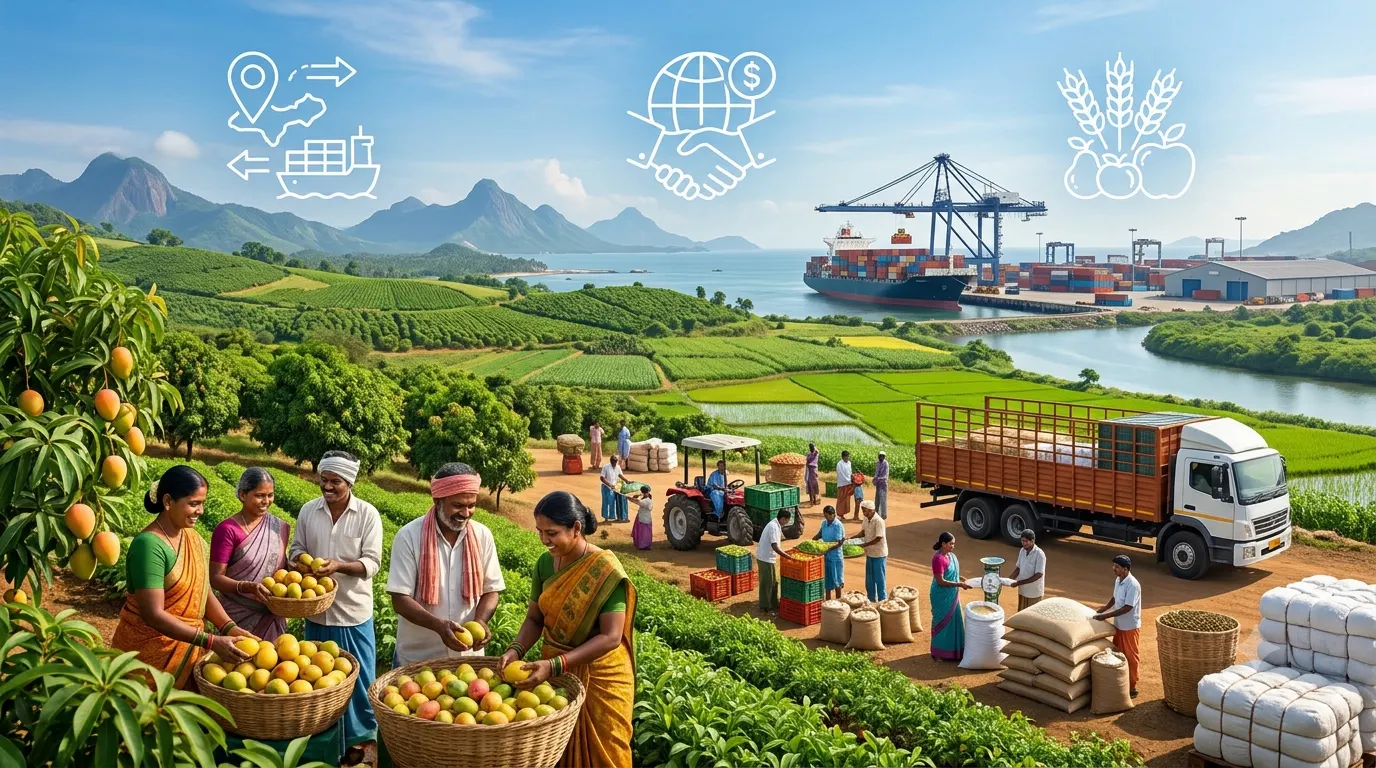
India is one of the few countries that can supply almost every category of agricultural product from a single sourcing partner. Buyers can order spices such as pepper, cardamom and turmeric, rice in several grades, coconut oil and coconut products, fresh vegetables such as ladies finger, fruits, pulses and processed foods.
This range matters for business. Instead of managing five suppliers in five countries, an importer can consolidate orders with one exporter. That reduces paperwork, simplifies communication and lowers the cost of each shipment. It also lets you test new product lines without rebuilding your supply chain.
Large-scale farming, skilled farm labor and a mature processing sector help Indian exporters offer attractive pricing. For bulk buyers, this often translates into a better margin per container compared with many other origins.
Price stability is equally valuable. When you buy from an exporter with direct farm and processor relationships, you gain better visibility into seasonal price movement. You can plan purchase volumes, negotiate longer contracts and avoid sudden cost surprises. Always compare the full landed cost, including freight, duties and packaging, rather than the ex-works price alone.
India spans tropical coastlines, fertile plains, hills and dry regions. Each zone harvests at different times, so something is almost always in season. Kerala, for example, is well known for spices and coconut, while northern and central regions lead in rice and grains.
For importers, this means fewer supply gaps. If one crop cycle ends, another region often fills the demand. Retailers and food manufacturers can keep shelves and production lines running without long pauses. Good exporters also share harvest calendars so you can time your orders well.
Quality is a common concern for first-time importers, and it is fair to ask. Indian agricultural exports pass through inspection, grading and testing steps before shipment. Depending on the product and destination, these may include moisture checks, pesticide residue testing, aflatoxin testing, microbial analysis and a phytosanitary certificate.
Reputable exporters also follow clean sorting, hygienic processing and traceable packing practices. Ask for a certificate of analysis with each lot and request pre-shipment samples. These two steps give you clear proof of quality before you commit to a full order.
India has built a structured export ecosystem. Bodies such as APEDA and the Spices Board support exporters through registration, quality guidance and market promotion. Exporters must also hold valid business registrations, including an Importer Exporter Code.
For a buyer, this structure adds confidence. It means there is a recognized framework behind every shipment, with documentation that customs authorities in your country understand. Common documents include the commercial invoice, packing list, bill of lading, certificate of origin and phytosanitary certificate.
Indian exporters are used to serving different buyer types. You can order in bulk for wholesale distribution or choose smaller retail-ready packs. Many exporters offer custom packaging, private labeling and different pack sizes, from sacks and cartons to vacuum packs and food-grade containers.
This flexibility helps you match your market. A distributor in the Gulf may want large sacks of rice, while a European retailer may want branded spice packs. Share your target market and shelf-life needs early so your exporter can recommend the right packing method.
Many Indian products are valued because of where they grow. Kerala spices, for instance, are known worldwide for aroma and flavor strength. Coconut oil from coastal regions carries a distinct freshness. Traditional growing and drying methods also contribute to taste.
For food brands, authentic origin is a selling point. Buyers and consumers increasingly ask where ingredients come from. Sourcing directly from an Indian exporter lets you tell a clear origin story, which supports premium pricing and customer trust.
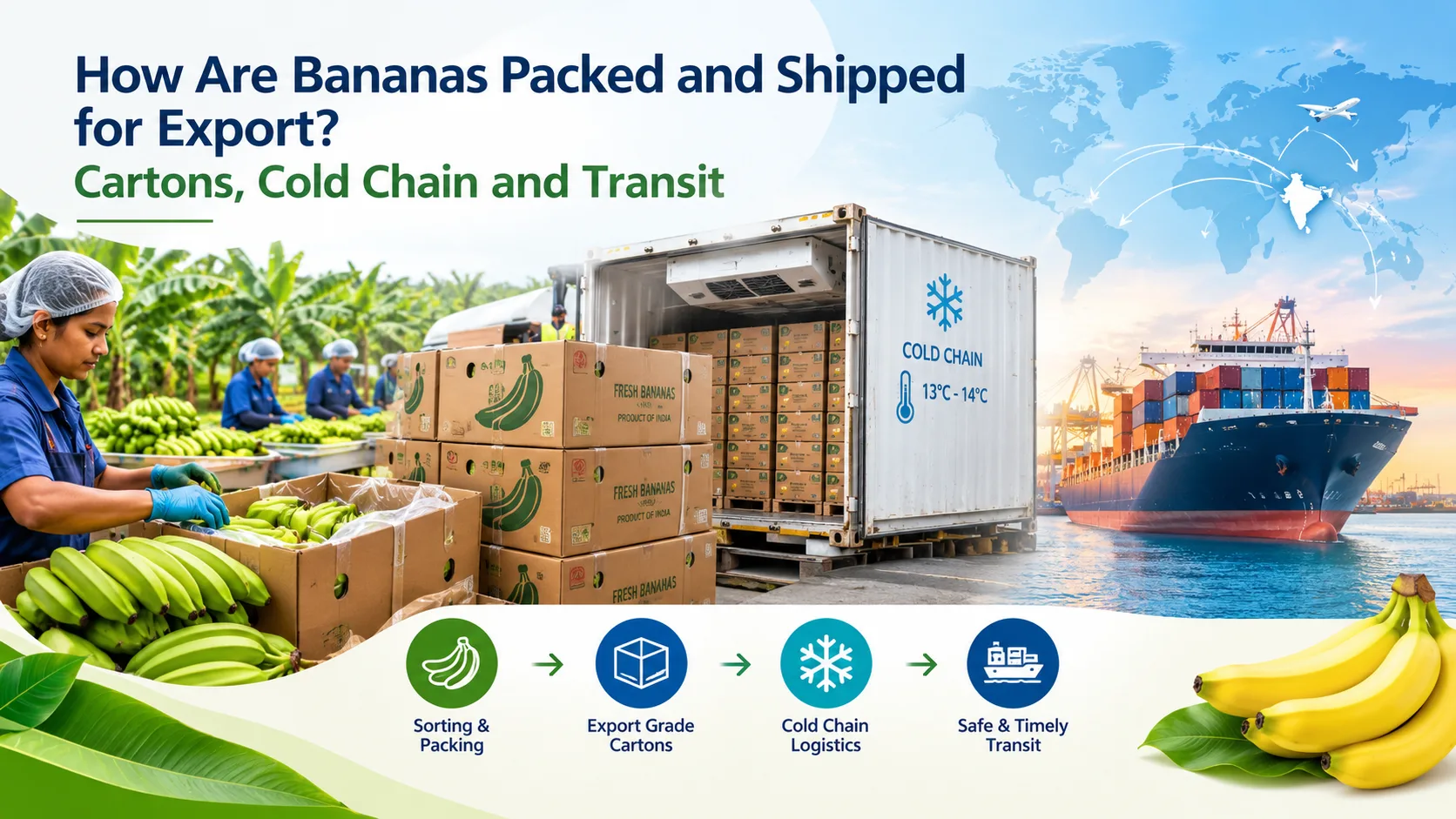
India has major seaports and air cargo hubs connected to Europe, the Middle East, Africa, Southeast Asia and the Americas. Container shipping for dry goods such as spices and rice is well established, and cold chain options exist for fresh produce.
Transit times vary by destination and mode, so confirm timelines with your exporter before ordering. Choose Incoterms that suit your experience level. FOB gives you control of the main freight, while CIF lets the exporter arrange freight and insurance up to your port.
| Benefit | What it means for you |
| Product variety | One supplier for many categories |
| Competitive pricing | Better margins on bulk orders |
| Year-round supply | Fewer stock gaps |
| Quality testing | Lower risk of rejected shipments |
| Flexible packing | Fits wholesale and retail needs |
| Export framework | Clear documentation and compliance |
| Logistics network | Access to global shipping routes |
A good outcome depends on good preparation. Follow these steps:
Jesvil Corporation is a Kerala-based agricultural exporter supplying products such as spices, rice, coconut products and fresh vegetables including ladies finger. Our focus is simple: consistent quality, clear communication and export-ready packing for global buyers.
When you work with Jesvil, you get guidance on documentation, packaging and shipping, so your first order feels as smooth as your tenth. Whether you need a trial shipment or a regular bulk supply, our team can help you plan a sourcing solution that fits your market.
Agriculture products export from India gives importers a practical mix of variety, price advantage, steady supply and strong compliance systems. The key is working with an exporter who is transparent about quality and process.
Ready to source from India? Contact Jesvil today to request a quote, ask for product samples or discuss your import needs.
The main benefits are competitive pricing, a wide product range, year-round supply, tested quality, flexible packaging and a well-developed export and logistics system. Together, they help importers build reliable, cost-effective supply chains.
Common exports include spices, rice, coconut products, fresh vegetables, fruits, pulses, tea, coffee and processed foods. Demand varies by destination market and season.
Yes, when you work with a registered exporter. Ask for a certificate of analysis, a phytosanitary certificate and pre-shipment samples. Also confirm that the product meets your country’s import and food safety rules.
Typical documents include a commercial invoice, packing list, bill of lading or airway bill, certificate of origin and phytosanitary certificate. Some products need extra testing or quality certificates, so confirm requirements with your customs authority.
Many exporters accept trial or smaller initial orders, though minimum order quantities depend on the product and shipping method. Ask your exporter about sample and trial order options before placing a bulk order.
Check business registrations, product quality documentation, communication speed and customer references. A trustworthy exporter shares clear pricing terms, test reports and packing details without delay.
Transit time depends on the destination, port, shipping line and mode of transport. Sea freight takes longer than air freight, so confirm the schedule with your exporter at the time of quotation.

 Call :
 Email :