In the intricate world of global commodity trading, few goods are as fundamental and universally relied upon as rice. For millennia, it has nourished populations and served as a staple in diets across continents. But behind every grain that reaches a plate, there’s a complex journey – one built not just on supply chains and logistics, but on something far more profound: trust. For international importers, distributors, and wholesalers, the rice trade is a delicate dance where timing is critical, and consistency is paramount. It’s about knowing that the shipment you ordered will arrive when you need it, and that the quality will be exactly as you expect, time after time. At Jesvil Corporation Private Limited, and through our ZAFRAAN™ brand, we understand these foundational elements. We believe that the strongest partnerships are forged not through aggressive sales tactics, but through open communication, reliable delivery, and a shared commitment to excellence. This guide is an invitation to explore the world of Indian rice exports through a candid lens, focusing on what truly matters for a sustainable and successful import business.
Why Indian Rice Continues to Shape Global Demand |
India stands as a global powerhouse in rice production, offering a diverse portfolio that caters to a vast spectrum of international tastes and culinary traditions. Its significance in the global market is underscored by the consistent demand for both its aromatic Basmati and versatile non-Basmati varieties, driving strong and steady demand for rice export from India.
Basmati Rice: Renowned for its long, slender grains, delicate aroma, and fluffy texture when cooked, Indian Basmati is a premium choice for discerning consumers worldwide. Varieties like 1121 Basmati (known for its exceptional length), 1509 Basmati (offering a good balance of aroma and size), and 1718 Basmati (often favored for its cooking characteristics) represent the pinnacle of Basmati cultivation.
Non-Basmati Rice: Beyond the fragrant Basmati, India cultivates a wide array of non-Basmati rice types that are essential to food security and daily consumption in many regions. These include:
This rich tapestry of rice varieties positions India as a crucial supplier, capable of meeting diverse import requirements and contributing significantly to global food supplies.
Beyond Price: What Importers Truly Value |
While competitive pricing is always a consideration, experienced importers understand that the true value in rice export lies in aspects that ensure operational efficiency and customer satisfaction. At Jesvil and ZAFRAAN™, we focus on these critical differentiators:
Key Export Specifications Buyers Routinely Check |
To ensure that the rice meets specific market requirements and culinary standards, buyers typically scrutinize a set of key specifications. These details are fundamental to the quality and suitability of the rice for its intended use:
Essential Documentation in Rice Export From India |
Navigating international trade requires meticulous attention to documentation. For rice exports, a standard set of documents is essential to facilitate smooth customs clearance and ensure compliance. While specific requirements can vary by destination country, the following are commonly handled:
Global Reach: Shipment and Logistics |
India’s extensive coastline and well-developed infrastructure provide multiple strategic gateways for exporting rice to the world. At Jesvil Corporation, we leverage these capabilities to ensure efficient and timely delivery of ZAFRAAN™ rice.
Our primary export gateways include:
We primarily facilitate FCL container shipments, offering 20ft and 40ft options tailored to your volume needs. For very large orders, bulk or break-bulk vessel options can also be explored, providing flexibility and cost-effectiveness depending on the destination and quantity.
Our logistics team works diligently to optimize routes, select reliable shipping lines, and manage the entire transit process, ensuring your ZAFRAAN™ rice arrives safely and on schedule.
Payment Comfort and Financial Terms |
We understand that financial security and comfortable payment terms are vital for building lasting business relationships. Jesvil Corporation is adept at working with various payment modalities to suit the needs and profiles of our international partners.
Commonly accepted and discussed payment terms include:
It is important to note that the final payment terms are always dependent on a comprehensive evaluation of the buyer’s profile, the destination country, the acceptance by both parties’ banks, and the prevailing cargo availability and market conditions. Our goal is to find terms that provide mutual comfort and foster a stable, long-term supply chain.
Our Approach: Partnership, Quality, and ZAFRAAN™ |
At Jesvil Corporation Private Limited, our approach to rice exports, powered by our ZAFRAAN™ brand, is built on a foundation of transparency, reliability, and partnership. We are not just suppliers; we aim to be your trusted long-term partner in sourcing quality Indian rice.
Our process is meticulously managed:
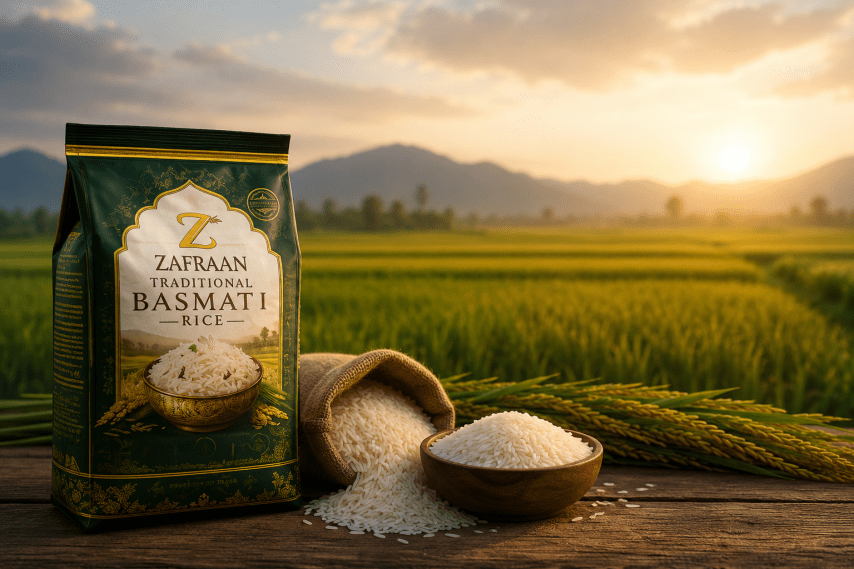
Our ZAFRAAN™ brand embodies our commitment to delivering premium Indian rice with unwavering quality and reliability. It’s a promise of consistency, a testament to trust, and a symbol of our dedication to your success.
Let’s Discuss Your Rice Needs |
We invite you to connect with us to explore how Jesvil Corporation and our ZAFRAAN™ brand can meet your specific requirements for Indian rice. Whether you are looking for a particular variety, a custom packing solution, or a stable long-term supply agreement, we are here to listen.
Reach out to discuss your destination, preferred rice variety, desired packing specifications, estimated quantity, and payment terms. We are ready to tailor a solution that supports your business growth.
India exports both Basmati and non-Basmati varieties. Basmati options include 1121, 1509, and 1718, known for long grains and aroma. Non-Basmati varieties include Sona Masoori, IR64, Ponni, Palakkadan Matta, and Jeerakasala/Kaima.
What is the ideal moisture content for exported rice?
Moisture content is typically maintained between 12% and 14%. This range prevents spoilage, avoids brittleness, and ensures the rice cooks as expected after a long transit.
What documents are required for rice export from India?
Standard documentation includes a Commercial Invoice, Packing List, Bill of Lading, Phytosanitary Certificate, Fumigation Certificate, Certificate of Origin, Insurance Certificate, and a Health Certificate where applicable.
Which Indian ports handle rice exports?
Major export gateways include Mundra Port and Kandla Port in Gujarat, Chennai Port in Tamil Nadu, JNPT/Nhava Sheva in Maharashtra, Kolkata Port in West Bengal, and Visakhapatnam Port in Andhra Pradesh.
What packing sizes are available for rice export?
Standard export packing includes 25kg, 40kg, and 50kg PP bags, along with smaller retail packs such as 1kg, 5kg, and 10kg depending on market needs.
Does Jesvil Corporation offer private label rice?
Yes. Jesvil Corporation and the ZAFRAAN™ brand offer private label and white label solutions, allowing international partners to maintain their own brand identity from mill to market.
What payment terms does Jesvil Corporation accept for rice export?
Commonly used terms include Letter of Credit (LC), Usance LC, and advance payment. Final terms depend on the buyer’s profile, destination country, and mutual bank acceptance.
What shipment options are available for bulk rice orders?
Jesvil Corporation primarily offers FCL container shipments in 20ft and 40ft sizes, with bulk or break-bulk vessel options available for very large orders.

 Call :
 Email :