The Ultimate Guide to Export Spices India for International Buyers

spices exporters | July 23, 2026
Export spices india | Jesvil Corporation

India has been the world’s spice basket for centuries, and that reputation hasn’t faded, it’s only grown stronger. If you’re an international buyer looking into export spices India options, this guide walks you through everything you need to know: what to source, how quality is verified, what the process looks like, and how to choose a supplier you can trust for the long term.

Why India Is a Leading Source for Global Spice Buyers

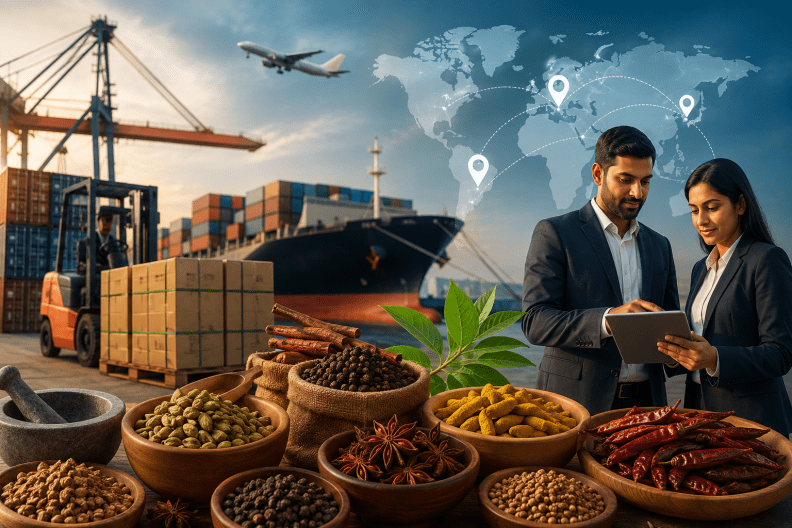
India produces and exports more spices than any other country in the world, supplying everything from turmeric and black pepper to cardamom, chilli, and cumin to buyers across the Gulf, Europe, Southeast Asia, and beyond. A few reasons buyers consistently choose India for spice sourcing:

  • Diversity of produce: India’s varied climate and soil types support nearly every major spice category in one country, reducing the need to source from multiple regions.
  • Established export infrastructure: Decades of trade experience mean well-developed cold storage, processing, and port logistics built specifically for spice exports.
  • Competitive pricing at scale: Large-scale cultivation keeps bulk pricing attractive without compromising on supply consistency.
  • Deep-rooted expertise: Many exporters, including Jesvil Corporation, work directly with farming communities, giving buyers better traceability and quality control from farm to port.

Jesvil Corporation, headquartered in Kerala with processing units in Tamil Nadu and sourcing networks across India, works within this ecosystem to supply premium spices under its iHYA™ brand to buyers across Australia, Canada, the Middle East, Africa, and Europe.

Top Spices India Exports (Turmeric, Pepper, Cardamom, Chilli, and More)

International buyers most commonly source the following spices from India:

  • Turmeric: Prized for its curcumin content and deep colour, used in food, cosmetics, and pharmaceutical applications.
  • Black Pepper: Known globally as the “king of spices,” sourced heavily from Kerala and Karnataka.
  • Cardamom: India’s green cardamom is considered among the finest in the world, primarily grown in the Western Ghats.
  • Chilli / Chilli Powder: India is one of the largest chilli producers globally, with varieties ranging from mild to extremely hot.
  • Cumin, Coriander, and Fennel: Staple whole and ground spices with steady global demand.
  • Ginger and Garlic (dried/bulk): Increasingly popular as processed export products alongside traditional spices.

Each of these comes with its own grading system, so buyers should always confirm grade, moisture content, and purity specifications before finalizing an order.

Quality Standards and Certifications for Export Spices India (FSSAI, Spice Board, APEDA)

Quality assurance is the single biggest factor buyers should evaluate before committing to a supplier. Legitimate Indian spice exporters typically operate under some combination of the following:

  • FSSAI Registration: Confirms compliance with India’s food safety standards.
  • Spice Board of India Certification: Required for spice exporters, ensures adherence to national quality benchmarks.
  • APEDA Registration: Relevant for agricultural exports, particularly useful for buyers requiring traceability documentation.
  • ISO / HACCP Certifications: Common additions for buyers with stricter food safety requirements, especially in the EU and Gulf markets.
  • Phytosanitary Certificates: Issued per shipment, confirming the produce is free from pests and meets the importing country’s agricultural regulations.

Always request copies of these certifications directly from your supplier before placing a bulk order. A reliable exporter will provide them without hesitation.

Jesvil Corporation’s spice range is positioned as ISO-certified and export-ready, backed by MSME and Startup India registration, giving international buyers documented assurance behind every shipment.

The Spice Export Process, From Sourcing to Shipping

A typical spice export order moves through the following stages:

  1. Sourcing and procurement: Raw spices are sourced from farms or regional markets based on buyer specifications.
  2. Cleaning and grading: Produce is sorted, cleaned, and graded according to quality standards (moisture, purity, size).
  3. Processing (if applicable): Whole spices may be powdered, sterilized, or otherwise processed based on the buyer’s requirement.
  4. Packaging: Export-grade packaging (bulk bags, vacuum-sealed pouches, or custom private-label packaging) is prepared.
  5. Quality testing and documentation: Lab testing, certification, and export documentation (invoice, packing list, certificate of origin, phytosanitary certificate) are completed.
  6. Shipping and logistics: Goods are transported to the port and shipped via sea or air freight, depending on order size and destination.

How to Choose a Reliable Spices Exporter in India

Not all exporters offer the same level of consistency. Buyers should evaluate suppliers on:

  • Certifications and documentation: As covered above, this is non-negotiable.
  • Sample availability: A trustworthy exporter will send samples before a bulk order is confirmed.
  • Traceability: Ask where the produce is sourced from and whether the exporter works directly with farms or through intermediaries.
  • Communication and responsiveness: Export deals often involve tight timelines; a supplier’s responsiveness during negotiation is a good indicator of how they’ll handle the actual order.
  • Track record with international buyers: Ask for references or past shipment history to markets similar to yours.

MOQ, Pricing, and Packaging Options for Bulk Buyers

Minimum order quantities, pricing, and packaging vary depending on the spice, grade, and destination market. Generally:

  • MOQ is set per container load or per product-specific minimum, depending on the exporter.
  • Pricing fluctuates with seasonal harvests, so buyers should confirm current rates rather than relying on historical pricing.
  • Packaging options usually include bulk export bags (25kg/50kg), vacuum-sealed retail packs, or private-label packaging for buyers looking to sell under their own brand.

Jesvil Corporation offers bulk wholesale spice export with global delivery, packed to preserve freshness and potency for international shipping. For exact MOQ and current pricing, buyers are encouraged to reach out directly via the enquiry form on the Jesvil website or by phone/email.

Shipping Timelines and Destinations (Gulf, Europe, Southeast Asia)

Shipping timelines depend on destination and mode of transport:

  • Gulf countries (UAE, Saudi Arabia, Oman): Typically the fastest sea freight routes from Indian ports.
  • Southeast Asia: Short to moderate transit times given regional proximity.
  • Europe: Longer transit times via sea freight, though well-established trade routes keep timelines predictable.
  • Air freight: Available for smaller or time-sensitive orders at a higher cost.

Jesvil Corporation ships from its Kerala base to key markets across Australia, Canada, the Middle East, Africa, and Europe, with export logistics designed for reliability and consistency across shipments.

Why International Buyers Choose Jesvil Corporation

Jesvil Corporation is an integrated agricultural export company connecting India’s fields with kitchens across the world. With operations based in Kerala, processing units in Tamil Nadu, and sourcing networks across India, Jesvil specializes in premium rice, high-grade spices, coconut derivatives, and natural charcoal briquettes.

Its spice range is marketed under the iHYA™ brand, reflecting the company’s focus on purity, authenticity, and traceability, from farmer to final shipment. Jesvil currently serves buyers across Australia, Canada, the Middle East, Africa, and Europe, offering export cardamom, black pepper, cloves, turmeric, and other premium spices as ISO-certified, additive-free, and export-ready.

Buyers sourcing bulk spices from India choose Jesvil Corporation for its direct sourcing model, consistent quality grading, and export logistics built specifically for international trade requirements.

Frequently Asked Questions

1. What are the most exported spices from India?

India’s top spice exports include turmeric, black pepper, cardamom, chilli, cumin, and coriander, with turmeric and pepper among the highest in export volume.

2. How do I verify the quality of Indian spices before importing?

Request lab test reports, certifications (FSSAI, Spice Board, APEDA), and physical samples before confirming a bulk order.

3. What certifications should a spice exporter in India have?

Look for FSSAI registration, Spice Board of India certification, and APEDA registration at minimum, along with phytosanitary certificates issued per shipment.

4. What is the minimum order quantity for spice exports from India?

MOQ varies by exporter and spice type, typically set per container load or product-specific minimums. Contact the exporter directly to confirm current MOQ.

5. How long does spice shipping from India typically take?

Shipping times vary by destination. Gulf countries generally see the shortest transit times, while European routes take longer. Air freight is available for time-sensitive orders.

Related Blogs

View More